⚡ Smart homes are smarter than ever — but they are also more vulnerable.
From AI-driven automation hubs and mesh Wi-Fi 7 systems to EV chargers and ultra-efficient inverter HVAC units, modern homes rely on sensitive microprocessors operating at very low internal voltages. A microsecond surge — often referred to as a “silent killer” — can degrade these devices over time, bricking your expensive tech without a single scorch mark.
🏠 The Reality Check: Why Your Smart Home is at Risk
Most homeowners fear lightning, but the real threat is internal. 80% of surges are generated inside your home by elevator motors, high-end refrigerators, or your neighbor’s EV charger switching on the grid.
A Type 2 Whole House Surge Protector (SPD) installed at your main panel is no longer an “upgrade” — it is the foundation of your digital infrastructure.
🔬 What Actually Matters in 2026? (Engineering vs. Marketing)
Don’t get distracted by “flashy” kA numbers alone. Real protection for a smart home depends on these three pillars:
- Voltage Protection Rating (VPR): This is the “let-through” voltage. For a 120/240V system, you want 700V or lower. Anything higher is like a shield that lets half the arrows through.
- Nominal Discharge Current (In): This measures durability. Look for 10kA or higher to ensure the device survives repeated hits.
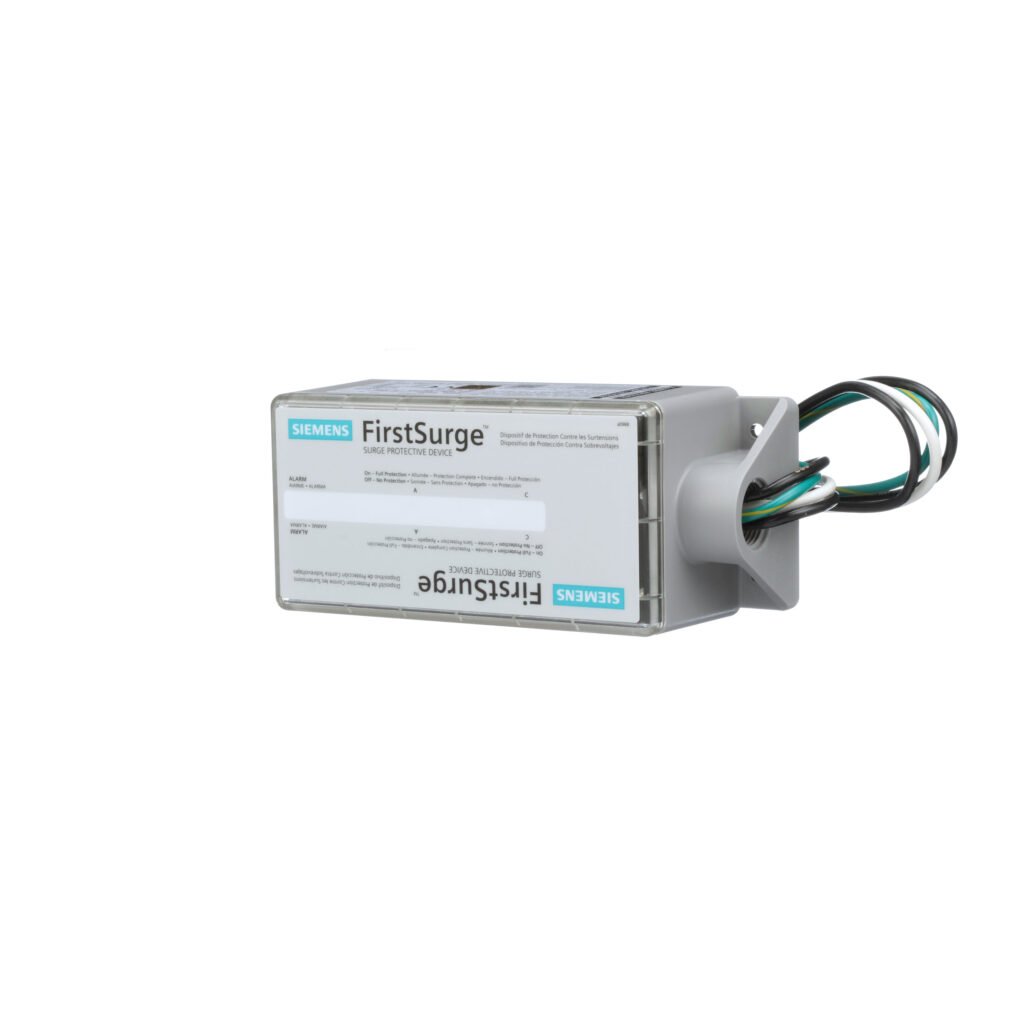
- All-Mode Protection: High-end SPDs like the Siemens FS140 protect every path (Line-to-Neutral, Line-to-Ground, and Neutral-to-Ground), which is critical for protecting the delicate logic boards in your smart hubs.
📊 Comparison — Best Whole House Surge Protectors (2026)
| Model | Surge Capacity | VPR (Clamping) | Equipment Warranty | Best For |
| Siemens FS140 | 140kA (Extreme) | Excellent | $100,000 USD | Advanced Smart Homes / Solar |
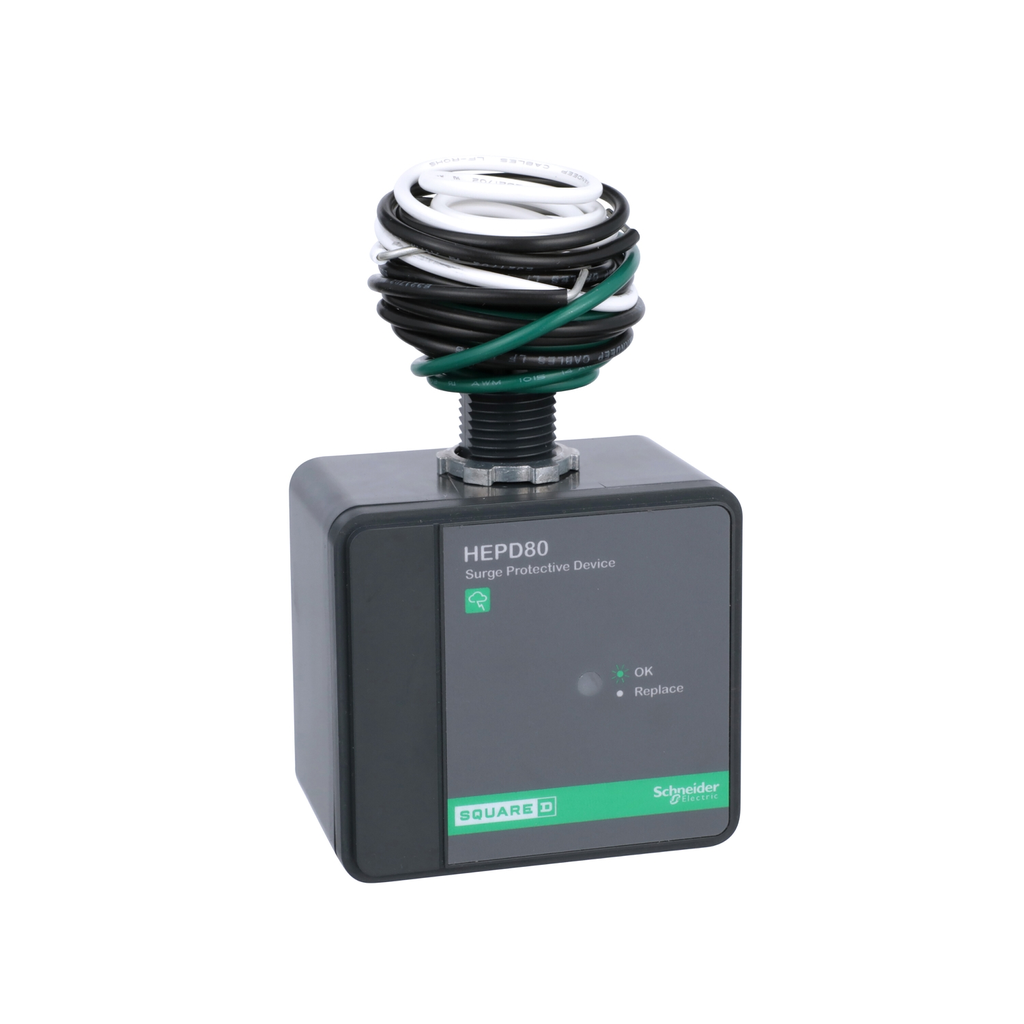
| Square D HEPD80 | 80kA (High) | Balanced | $75,000 USD | Square D Panel Integration |
| Eaton CHSPT2ULTRA | 108kA (High) | Great Value | $75,000 USD | Performance per Dollar |
| Leviton 51120-1 | 50kA (Moderate) | Stable | $25,000 USD | Compact / Clean Installs |
🥇 The Top Contenders
1. Siemens FS140 — The Gold Standard
The Siemens FS140 remains the most technically balanced SPD on the market.
- Why it wins: It offers the highest surge capacity (140kA) and incredible multi-mode protection.
- The Smart Edge: Includes Dry Contacts that can be wired into your home automation system or alarm. If the protector “sacrifices” itself to save your home, you’ll get a notification on your phone immediately.
2. Square D HEPD80 — Reliable Engineering
Schneider Electric’s flagship residential unit is built like a tank.
- Why it wins: It’s famous for its small footprint and industrial-grade internals.
- Best fit: If you have a Square D panel, this is a seamless “plug-and-play” addition that looks and performs like part of the original build.
3. Eaton CHSPT2ULTRA — The Value King
Eaton delivers professional-grade protection without the “premium” price tag.
- Why it wins: It consistently outperforms more expensive units in independent VPR tests.
- Best fit: Perfect for homeowners upgrading an older electrical system into a modern smart home.
🔧 Installation Tip: The “1-Inch Rule”
Even the best SPD will fail if installed poorly. Every inch of wire between your breaker and the surge protector increases the “let-through” voltage that hits your electronics.
Pro Tip: Tell your electrician to keep the leads short and straight. Avoid 90-degree bends. A 6-inch straight wire provides significantly better protection than a 12-inch wire with loops.
🧱 The Ultimate Strategy: Layered Protection (The Cascade)
In 2026, a single protector isn’t enough. For a truly “bulletproof” home, use the Cascading Method:
- Layer 1 (The Gatekeeper): A Type 2 SPD (like the Siemens FS140) at the main panel to stop the big surges.
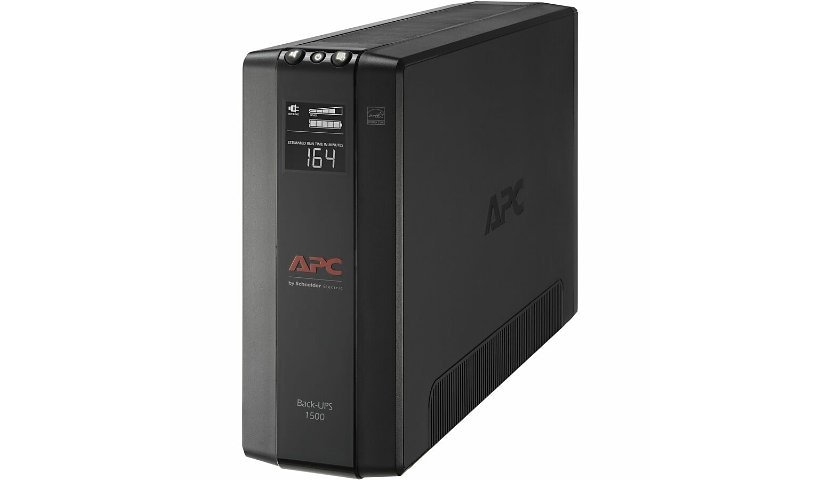
- Layer 2 (The Bodyguard): High-quality Type 3 plug-in protectors or Smart UPS units for your networking rack, server, and 8K TV.
This two-step approach filters the high-energy spikes at the door and cleans up the “noise” right at the device level.
🏁 Final Recommendation
- If you want the best protection money can buy: Choose the Siemens FS140. Its $100k warranty and dry-contact notifications make it the king of the smart home.
- If you want the best value: The Eaton CHSPT2ULTRA is unbeatable for the price.
- If you have a Square D panel: Stick with the HEPD80 for perfect compatibility.
Is your electrical panel ready for 2026? If you aren’t sure which unit fits your specific breaker brand, send me a photo of your panel, and I’ll help you pick the right one!
🔍 Frequently Asked Questions (FAQ)
1. Does a whole house surge protector protect against a direct lightning strike? Not 100%. While they can divert massive amounts of energy, a direct strike carries millions of volts that can jump across circuits. For maximum protection, combine an SPD with a dedicated lightning rod system.
2. How long do these devices typically last? Most high-quality SPDs last 5 to 10 years. However, they are “sacrificial” devices; if they absorb a massive surge, they may need replacement immediately. Always check the status LED on your unit.
3. Can I install a Type 2 surge protector myself? Because it requires opening the main electrical panel and working with the main bus bars, it is highly recommended to hire a licensed electrician. Safety first.
4. Will it reduce my insurance premiums? In many cases, yes. Some insurance companies offer discounts for homes with professional-grade surge protection because it significantly reduces the risk of fire and appliance claims.