When the power goes out, you’ve got two very different ways to keep your smart home running: a portable power station you charge ahead of time, or a generator that kicks in automatically and burns fuel for as long as you need it. They’re often talked about as competitors, but they’re really built for different kinds of outages — and for a smart home specifically, the right answer depends on what you actually need to keep powered.
The Real Difference: Portable Power Station vs. Whole-House Generator
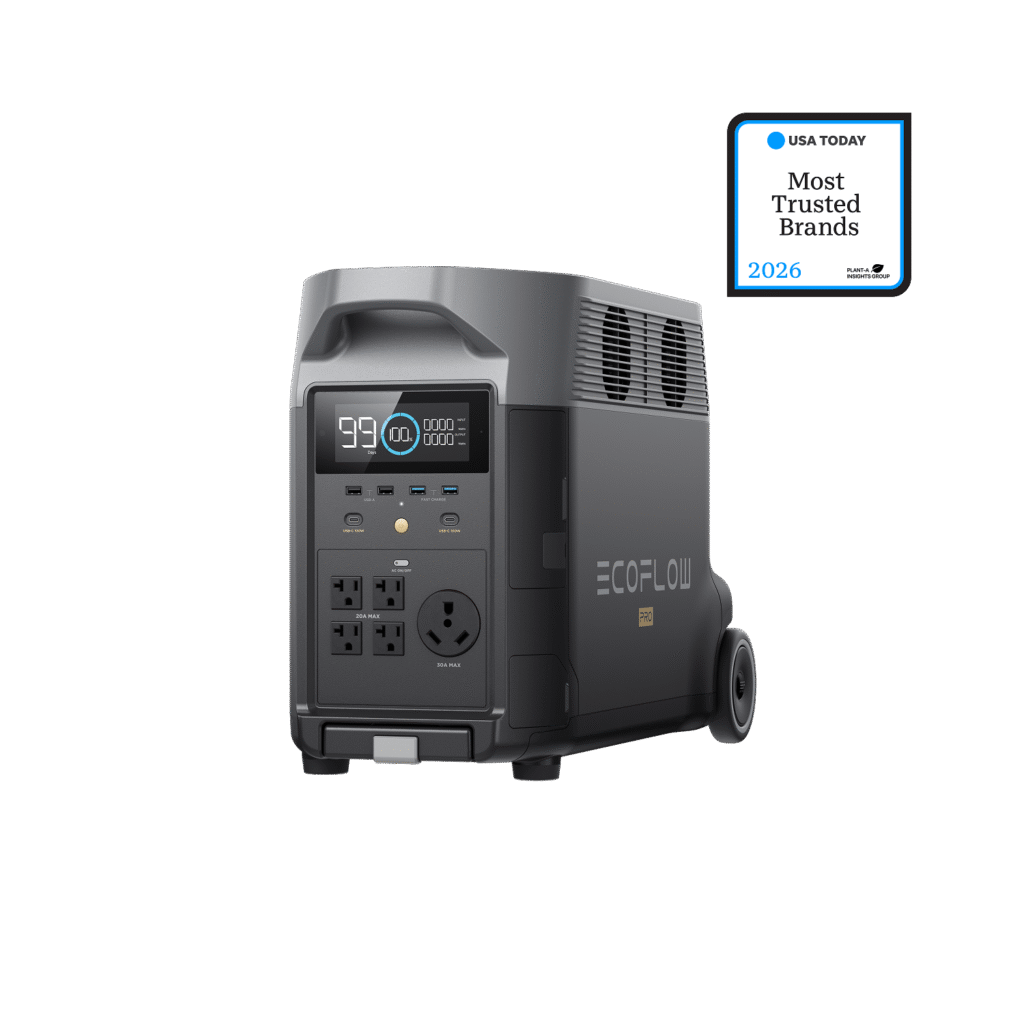
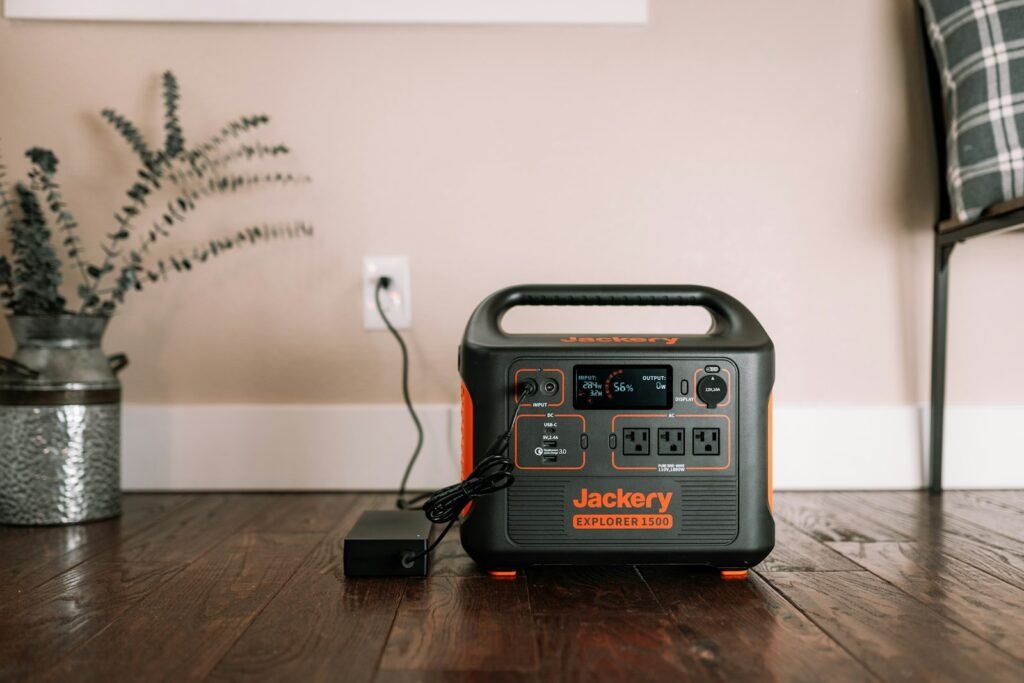
A portable power station is a large battery — you charge it from a wall outlet or solar panels ahead of time, and it discharges silently through built-in AC outlets and USB ports when you need it. There’s no fuel, no fumes, and it can sit indoors. A whole-house (standby) generator is a permanently installed unit, wired into your electrical panel, that runs on natural gas or propane and starts automatically within seconds of an outage — for as long as fuel keeps coming.
The core tradeoff: a power station has a fixed amount of stored energy and eventually runs out unless you recharge it (ideally with solar). A generator can run indefinitely on a fuel line, but costs several times more upfront and requires professional installation.
What Can Each One Actually Power?
Portable power stations built for home backup typically range from around 1,000 to nearly 4,000 watt-hours of storage, with continuous output between 1,000 and 6,000 watts — enough to run a router, a few lamps, a laptop, a mini-fridge, and charge phones for a day or more, or a full fridge plus essentials for several hours. Whole-house generators are a different scale entirely: 8,000 to 22,000+ watts, enough to run your entire home — HVAC, well pump, appliances, everything — simultaneously and continuously.
Large portable generators (gas-powered, not battery power stations) connected through a transfer switch can approach whole-house coverage too, but they’re noisy and need constant refueling — 12 to 20 gallons of gasoline a day is typical.
Noise, Fuel, and Maintenance
This is where power stations clearly win: they’re silent, produce no fumes, and need no maintenance beyond charging. Whole-house generators run quietly by generator standards (insulated enclosures) but they are audible, need annual servicing, and require a permanent propane tank or gas line. Gas-powered portable generators are the loudest option and the only one that can’t safely run indoors or in an attached garage.
Cost Comparison
Portable power stations for home backup generally run from a few hundred dollars up to around $3,000-$4,000 for the largest capacity units — no installation cost, since you just plug it in. Whole-house generators cost $3,500-$6,000 for the unit alone, and installation (electrician, gas line, permits) commonly pushes the total past $10,000. Gas-powered portable generators sit in between, typically $400-$2,700, plus the ongoing cost of fuel during use.
Which One Fits a Smart Home Setup
A smart home has a specific vulnerability during outages that older homes didn’t: your router, WiFi mesh nodes, smart hub, and security cameras all need continuous power just to keep the system functioning at all — even a brief gap resets connections and can knock cameras offline until manually reconnected. A mid-size portable power station is often the more practical first purchase: enough capacity to keep networking gear, a hub, and a few essentials running through a typical multi-hour outage, at a fraction of the cost of a whole-house system, and it doubles as backup power for camping or job sites.
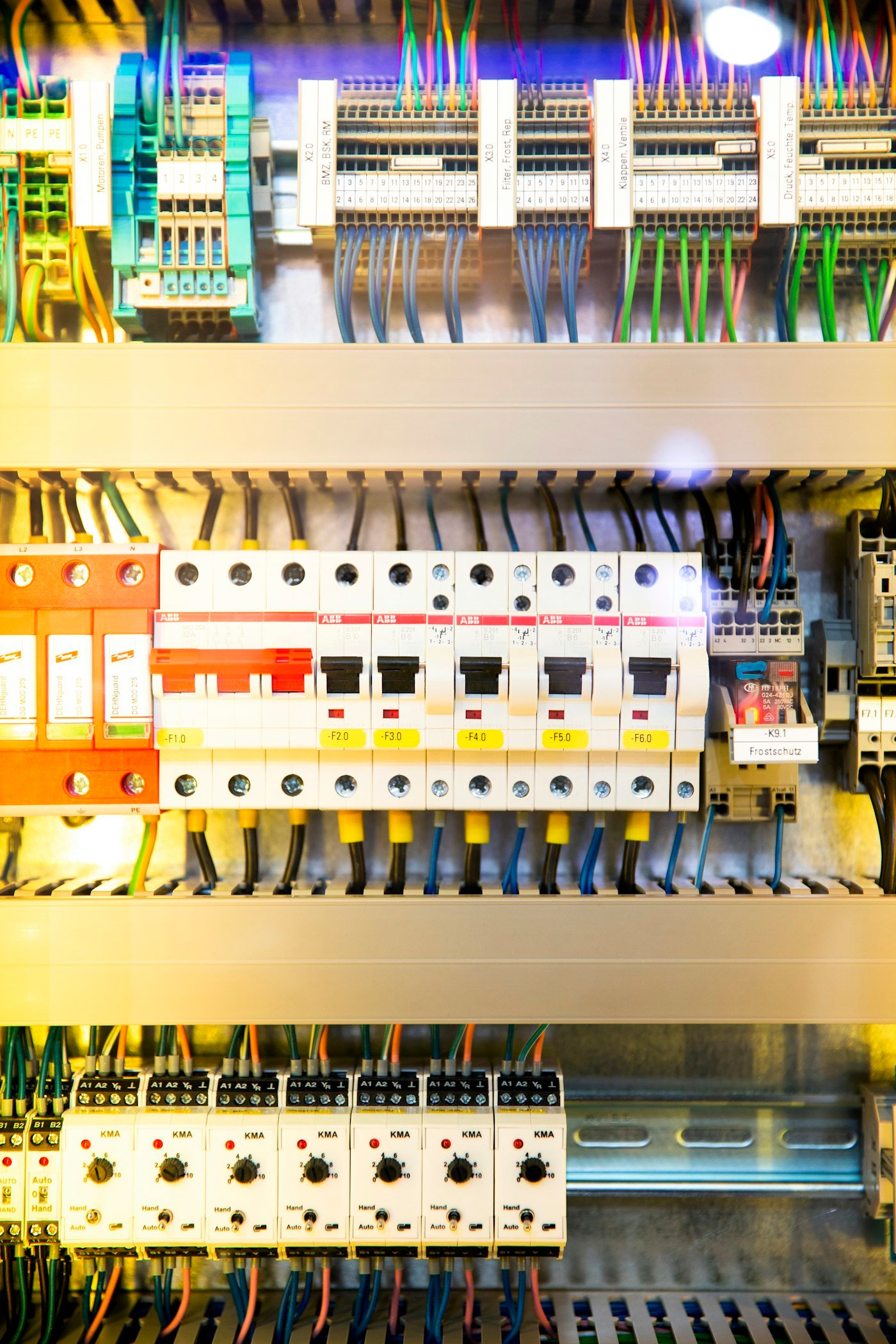
If you live somewhere with frequent, multi-day outages, or you need to keep HVAC, a sump pump, or medical equipment running no matter what, a whole-house generator is the more serious investment — and the two aren’t mutually exclusive. Many households run a generator for the whole house and keep a smaller power station specifically for networking equipment, since a generator’s automatic transfer switch still causes a brief power gap during transfer that can interrupt sensitive electronics.
Comparison: Top Portable Power Stations
| Model | Capacity (Wh) | Output (W) | Best For |
|---|---|---|---|
| Anker Solix F3800 | 3,840 | 6,000 | Whole-home emergency backup |
| Bluetti Elite 200 V2 | 2,048 | 2,400 | Home backup & off-grid use |
| EcoFlow Delta 2 Max | 2,048 | 2,400 | High-demand situations |
| Dabbsson 2000L | 2,048 | 2,200 | Camping & travel, dual-use |
| Goal Zero Yeti 700 | 677 | 600 | Compact backup, small loads |
Capacity and pricing change frequently — confirm current specs on the manufacturer’s page before buying, and size your purchase to what you actually need to run, not the largest number available.
Our Recommendation
For most smart homes, start with a portable power station in the 1,000-2,500Wh range — it’s enough to keep your network and a few essentials alive through the outages you’ll actually experience most often, costs a fraction of a whole-house system, and needs no installation. Reserve a whole-house generator for homes with frequent multi-day outages or critical continuous-power needs like medical equipment or a sump pump. If budget allows, the two work well together rather than as either/or.
Frequently Asked Questions
How long will a portable power station run my router and WiFi mesh?
A typical router and mesh node draw very little power combined — often under 30 watts total — so even a mid-size 1,000-1,500Wh power station can keep networking gear running for a day or more on its own.
Can a portable power station be charged with solar panels?
Most home-backup power stations support solar charging with compatible panels, which is useful for extending runtime during a multi-day outage, though recharge speed depends on panel wattage and sunlight.
Do whole-house generators turn on automatically?
Yes — a properly installed standby generator has an automatic transfer switch that detects an outage and starts the generator within seconds, without any manual action.