About 31% of US households now have a smart thermostat, and most bought one expecting lower energy bills. That’s the pitch on every product page: learns your schedule, adjusts itself, saves you money. But how much, really, and how long until it pays for itself? The honest answer depends heavily on your climate, your HVAC system, and how you actually use the thing. Here’s what independent data says, not just the marketing copy.
Smart Thermostat vs. Traditional Thermostat: The Core Difference
A traditional programmable thermostat runs on a schedule you set once and hopefully stick to: warmer at 6 a.m., cooler while you’re at work, warmer again in the evening. It has no idea whether you actually followed that plan, and it can’t adjust when your day changes.
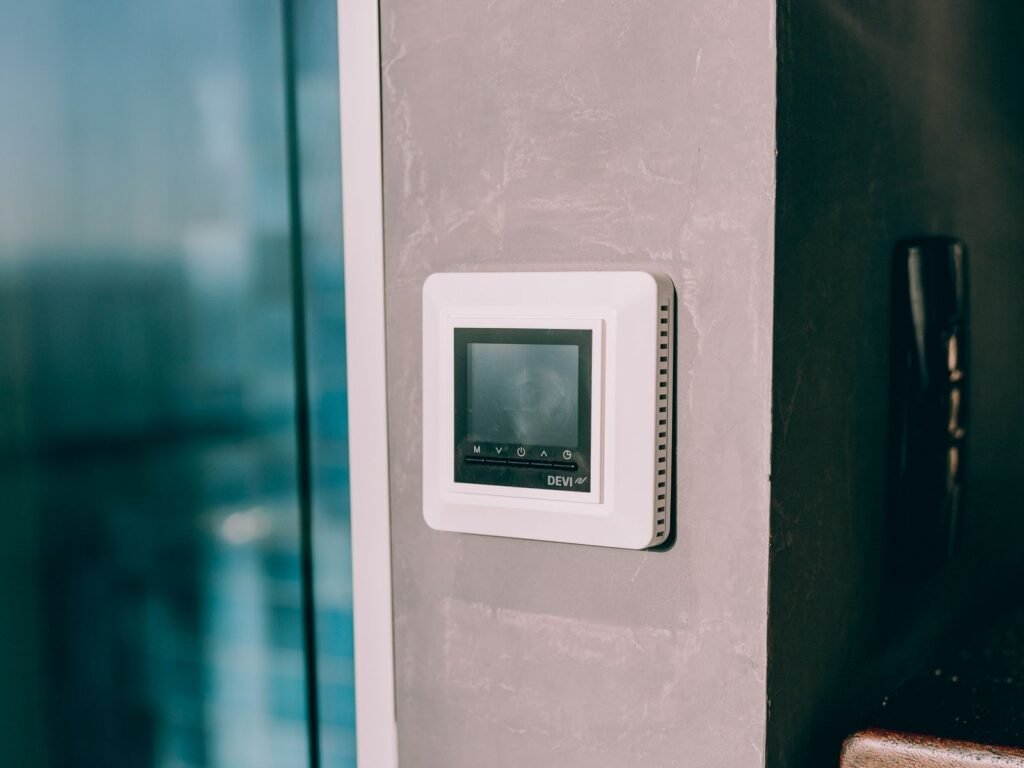
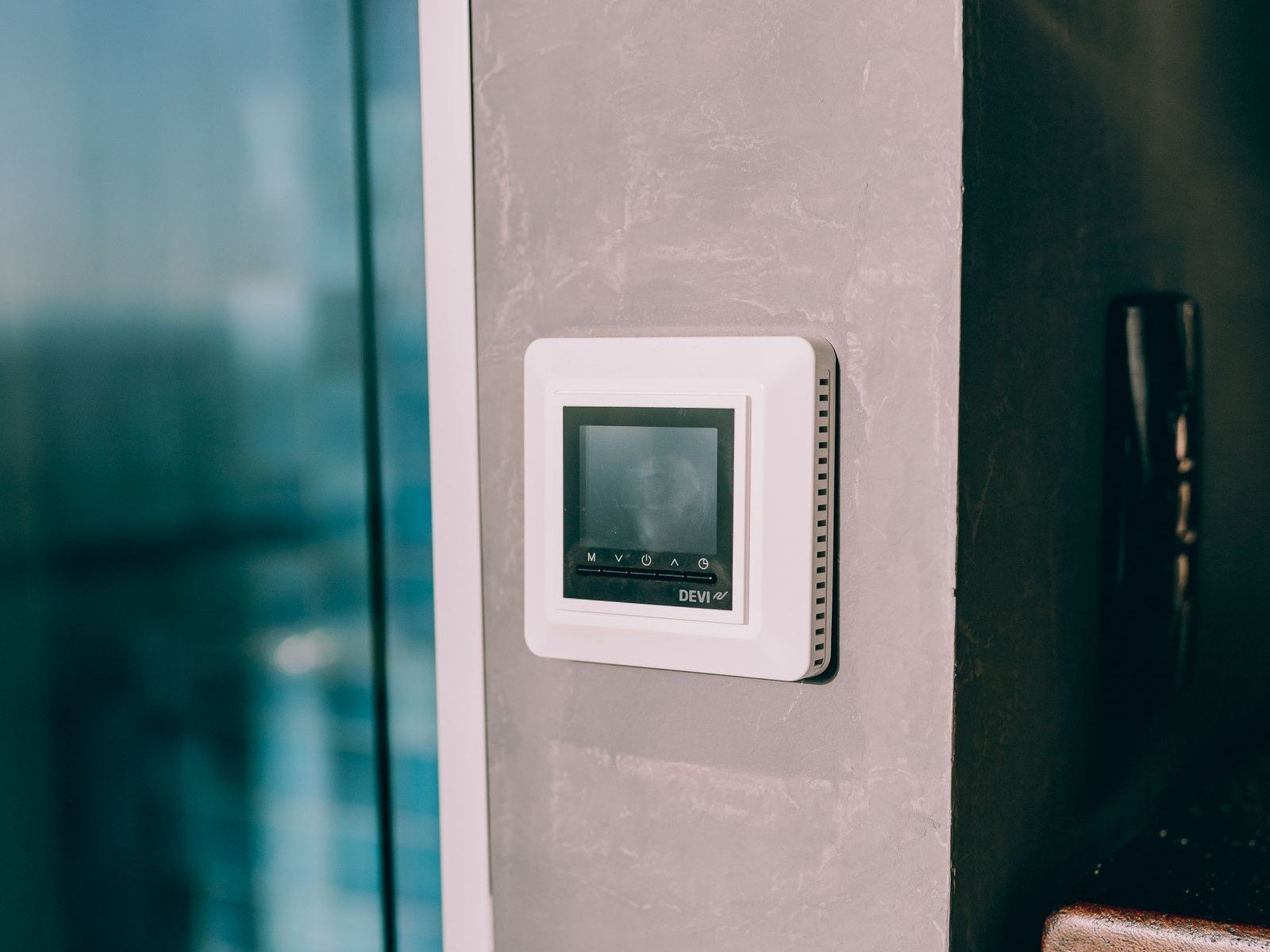
A smart thermostat connects to Wi-Fi and adds sensors, geofencing (using your phone’s location to know when you’ve left or are heading home), and often machine learning that studies your manual adjustments for a week or two and starts predicting your schedule on its own. Most models also add app control, energy-use history, and alerts if your HVAC stops responding. The mechanical difference from a basic thermostat is small; the behavioral difference, if you actually use the features, can be significant.
When a Traditional Thermostat Makes Sense
- Your schedule is fixed and predictable, so a manual program already matches how you live.
- You rent and can’t get approval for a Wi-Fi-connected device, or don’t want a cloud account tied to your HVAC.
- There’s no reliable Wi-Fi near the thermostat, and running a bridge or C-wire isn’t worth the hassle.
- Budget matters most. A basic programmable model runs about $25 to $30, versus $50 to $280+ for a smart one plus possible install costs.
- You’re short-term in the home and won’t be around long enough to earn back the up-front cost.
When a Smart Thermostat Makes Sense
- Your schedule is irregular. Geofencing and app control help far more when “leave for work” isn’t the same time every day.
- You already have Alexa, Google Home, or Apple Home devices and want your HVAC in the same ecosystem.
- You want visibility into actual monthly energy use, not just a guess at what your HVAC system is costing you.
- Your utility offers rebates for ENERGY STAR certified thermostats or demand-response programs that offset the purchase price.
- You have a larger or zoned home where remote sensors can catch rooms that run hot or cold relative to the thermostat.
Compatibility: Alexa, Google Home, and Apple Home
Most current smart thermostats work across all three major ecosystems, but integration depth varies. Nest integrates deepest with Google Home, though it also supports Alexa and Apple Home. Ecobee has Alexa built directly into the thermostat plus Google Assistant and Siri/HomeKit. Honeywell’s T9 works with Alexa, Google Assistant, Apple HomeKit, and SmartThings. Budget models like the Amazon Smart Thermostat and Wyze Thermostat lean toward Alexa and are more limited elsewhere. Check compatibility with your specific ecosystem before buying rather than assuming universal support.
Comparison: Smart Thermostats vs. a Traditional Programmable Model
| Model | Price | Scheduling / Learning | Voice Assistants | C-Wire Needed |
|---|---|---|---|---|
| Google Nest Learning Thermostat (4th gen) | ~$230–280 | Learns your routine automatically; auto-adjusts with Adaptive Eco | Google Assistant, Alexa, Siri/Apple Home | Not required in most homes |
| ecobee Smart Thermostat Premium | ~$230–260 | App-based scheduling, occupancy sensing, eco+ auto setback, monthly reports | Alexa built-in, Google Assistant, Siri/Apple Home | Not required (Power Extender Kit included) |
| Honeywell Home T9 (with sensor) | ~$180–210 | Smart Response geofencing, custom schedules, monthly energy reports | Alexa, Google Assistant, Apple HomeKit, SmartThings | Adapter included; recommended |
| Amazon Smart Thermostat | ~$40–60 | Basic scheduling, geofencing-style “Away” mode via Alexa app | Alexa (primary) | Required |
| Wyze Thermostat | ~$50–85 | 7-day scheduling, basic occupancy-based adjustments | Alexa | Adapter included; not strictly required |
| Honeywell Home RTH221B (traditional, non-smart) | ~$25–30 | Manual 1-week program, 4 periods/day, no app or learning | None | No |
Prices and specifications change often — always confirm current pricing, C-wire requirements, and compatibility on the retailer’s product page before buying.
Cost vs. Real Savings
Here’s where it’s worth slowing down. According to ENERGY STAR’s own technical bulletin on certified smart thermostats, the average home saves approximately 8% on heating and cooling costs, or about $50 per year, based on field data. That’s the number to anchor on, not the bigger figures in marketing materials.
Individual manufacturers advertise higher numbers under specific conditions. Google cites average estimated savings around 12% on heating and 15% on cooling, and ecobee claims up to 26% annually. Those aren’t fabricated, but they’re best-case figures, not what a typical household should expect. ENERGY STAR’s certification standard itself only requires a thermostat to demonstrate at least 8% lower heating runtime and 10% lower cooling runtime (at the lower bound of a national confidence interval) to qualify, which shows how conservative the real-world baseline is.
Independent researchers have also flagged inconsistent results. Field research compiled by groups like the American Council for an Energy-Efficient Economy has described measured smart-thermostat savings as mixed, with a chunk of the theoretical benefit disappearing when people override automatic settings or when a household already ran an efficient manual schedule. The device isn’t what saves energy; the behavior change it enables is, and not every household changes its behavior in a way that matters.
Then there’s the up-front cost. A smart thermostat runs $50 to $280 depending on the model. Self-installed with an existing C-wire, that’s the whole cost. Without one, professional installation typically runs $200 to $500, and adding a C-wire adds roughly $100 to $200 more. At $50 in average yearly savings, a self-installed $60 thermostat pays for itself in a little over a year. A $250 unit with a $300 professional install takes over ten years to break even on the same average savings, longer than many people keep the device. Savings run higher in extreme climates, older or drafty homes, and households that weren’t managing their old thermostat consistently. They run lower for anyone who already used a schedule, lives in a mild climate, or needs a pricier professional install.
Our Recommendation
If you’re comfortable with a DIY install, already have a C-wire, and live somewhere with real heating or cooling seasons, a mid-range model like the Honeywell T9 or Wyze Thermostat offers a reasonably quick payback and a genuine quality-of-life upgrade. Want the most polished experience and don’t mind paying more? Nest and ecobee are the strongest all-around picks, especially with remote sensors in larger homes. But if your current schedule already works, your HVAC use is light, or you’d need a costly professional install, don’t assume a smart thermostat is an automatic win. Run the math on your own utility rates and climate first, and check whether your utility offers a rebate. If you’re also thinking about broader home energy resilience, see our comparison of solar generators vs. gas generators for home backup power.
Frequently Asked Questions
Do smart thermostats really save money?
On average, yes, but modestly. ENERGY STAR’s field data points to about 8% savings on combined heating and cooling costs, roughly $50 per year for a typical home. Savings run higher in extreme climates or homes with previously inconsistent schedules, and lower in mild climates or homes that already used a programmable schedule well.
Do I need a C-wire for a smart thermostat?
It depends on the model. Many current smart thermostats, including the Nest Learning Thermostat and ecobee Premium, can run without a dedicated C-wire in most homes using an included adapter kit. Budget models like the Amazon Smart Thermostat do require one. If your system has none, expect to add roughly $100 to $200 for a professional to run one.
How long does it take a smart thermostat to pay for itself?
It varies with price and install cost. A self-installed budget model in the $50 to $80 range can pay back in one to two years at average savings. A premium model with professional installation, often $400 to $700 all-in, can take five to ten-plus years to break even on energy savings alone, though rebates and comfort features can shorten that math.